Brooks Cascadia 16 Review

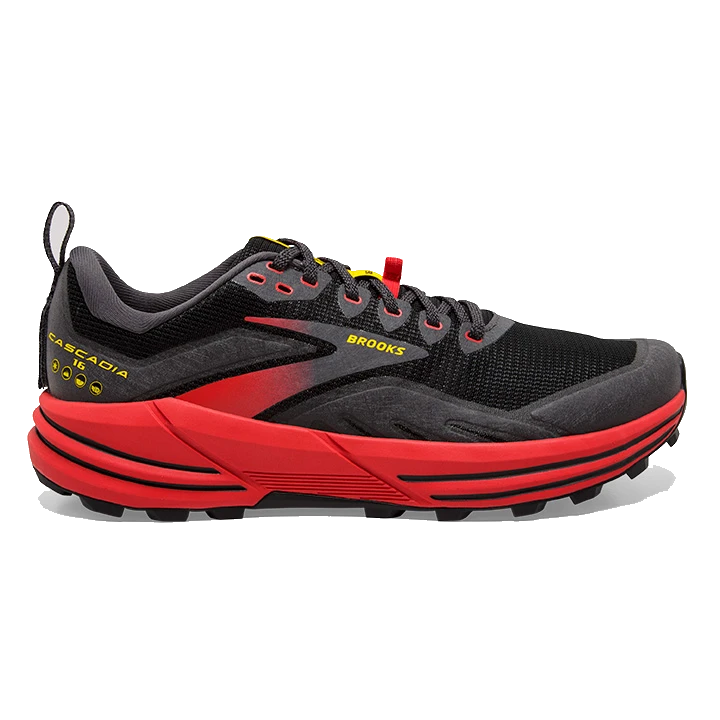
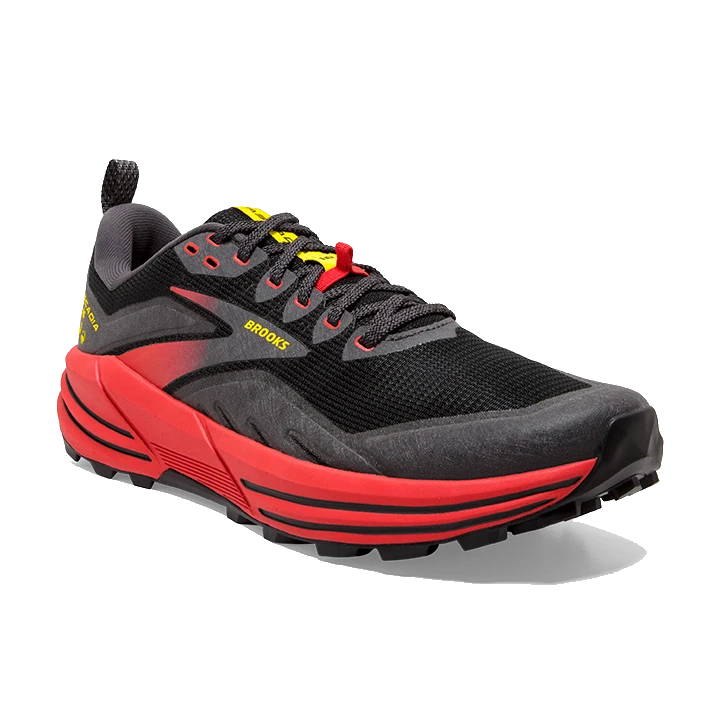
Ready to order? Check current stock on Amazon for men’s and women’s versions.
What Brooks changed in the Cascadia 16 — and why it matters
The Brooks Cascadia 16 is the sixteenth generation of a trail shoe lineage that started in 1999. That kind of longevity in trail footwear is rare, and it exists because Brooks has consistently made meaningful upgrades rather than rebranding the same shoe.
Midsole: The Cascadia 16 introduces DNA Loft V2 foam — 5% softer and 20% lighter than the compound used in the Cascadia 15. Brooks also added 2mm of stack height, bringing the heel to 33mm and the forefoot to 25mm. The result is noticeably more cushioning underfoot without compromising the shoe's fundamental trail competence. Reviewers consistently describe the 16 as the most comfortable Cascadia to date, and uniquely, it requires no break-in period.
Upper: The upper has been reconstructed with a wider toe box compared to earlier Cascadia versions — a direct response to long-term Cascadia owners who found the fit snug. The tongue is semi-gusseted on both sides with stretchy mesh, reducing debris ingress on technical terrain. Heel slippage, a recurring complaint with the Cascadia 15, has been addressed with an improved collar design.
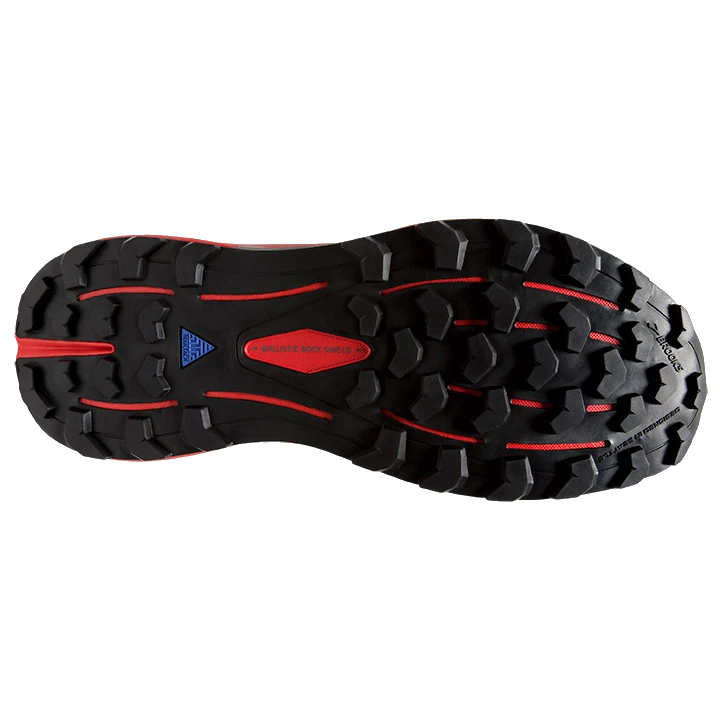
Outsole: The TrailTack rubber and 3D Hex Lug pattern remain unchanged — correctly, because the Cascadia's outsole has been consistently rated among the best in trail running. Brooks added the Ballistic Rock Shield between the midsole and outsole, providing underfoot protection on sharp, rocky terrain without the stiffness of a full rockplate.
Grip and traction
The Cascadia 16 scores 9.0/10 for grip — the highest of any shoe reviewed on Gearvise. The TrailTack rubber compound is the reason. Unlike the harder rubber compounds used by some competitors, TrailTack is simultaneously tacky enough to grip wet rock and hard enough to resist wear slowly. The 3D Hex Lug pattern provides multi-directional bite on loose gravel, roots, compacted soil, and mud.
Multiple independent reviewers report the same finding: the Cascadia 16's traction holds up on terrain that exposes limitations in other trail shoes. Wet rock in particular — historically one of the hardest surfaces to grip — is handled confidently by the TrailTack compound. The Salomon Speedcross 6 remains the mud specialist at 9.7/10 grip, but for everything else, the Cascadia 16 is the better all-round choice.
Breathability
The Cascadia 16 scores 6.5/10 for breathability — the lowest of any trail shoe reviewed on Gearvise. This is not a design flaw. It is the direct result of a deliberate engineering priority: the mesh upper is constructed to keep debris out and the foot protected on technical terrain. That protection comes at the cost of airflow.
In practice, this means the Cascadia 16 works well in temperate and cool conditions but becomes uncomfortable in temperatures above 25°C. For warm-weather trail running, the Hoka Speedgoat 7 (8.6/10 breathability) is the correct choice. If your trails are technical but your climate is warm, consider the GTX version — the Gore-Tex membrane actually provides some additional structure while the tradeoff in breathability is already accepted by the shoe's design.
Cushioning and comfort
The Cascadia 16 scores 7.8/10 for comfort. The DNA Loft V2 midsole makes the 16 noticeably more cushioned than its predecessors, and it is comfortable from the first use with no break-in period required — a significant improvement over the Cascadia 15 which needed 30–50 miles to reach its best. At 33mm heel stack and 25mm forefoot with an 8mm drop, the Cascadia 16 sits in a middle ground: more protective than minimalist trail shoes, less plush than max-cushion options like the Speedgoat 7.
The fit is one of the Cascadia 16's most appreciated improvements. The wider toe box compared to earlier versions means the foot can splay naturally on technical terrain, improving stability and reducing hot spots on long efforts. The shoe runs true to size for most runners. Between sizes, go true rather than up — the roomier toe box means there is usually enough space without sizing up.
At 315g per shoe for a men's size 9, the Cascadia 16 is the heaviest shoe reviewed on Gearvise. This weight is offset by the protection and grip it provides on demanding terrain, but lightweight runners training for speed should be aware of the trade-off.
Durability
The Cascadia 16 scores 9.0/10 for durability — tied for the highest on Gearvise. Independent long-term testing consistently finds no meaningful outsole wear after 100 miles, and reviewers document the shoe holding its shape and cushioning properties well through 400+ miles of mixed terrain use. The TrailTack compound at 85.5HC wears slowly, and the Ballistic Rock Shield protects the midsole from being deformed by sharp rocks over time.
As with all trail shoes with aggressive lug patterns: avoid sustained road and pavement use. The 3D Hex Lugs are designed for trail surfaces and wear down faster on hard pavement. If your commute to the trailhead involves urban running, swap shoes for that section.
Value
The Cascadia 16 scores 8.0/10 for value. At its original retail price of around $130, it offers genuinely class-leading grip and durability at a competitive price point. As newer Cascadia versions have been released, the 16 is often available at meaningful discounts — check the Amazon link above for current pricing. A discounted Cascadia 16 at $90–110 becomes exceptional value and is worth prioritising over the newer version if the price gap is significant.